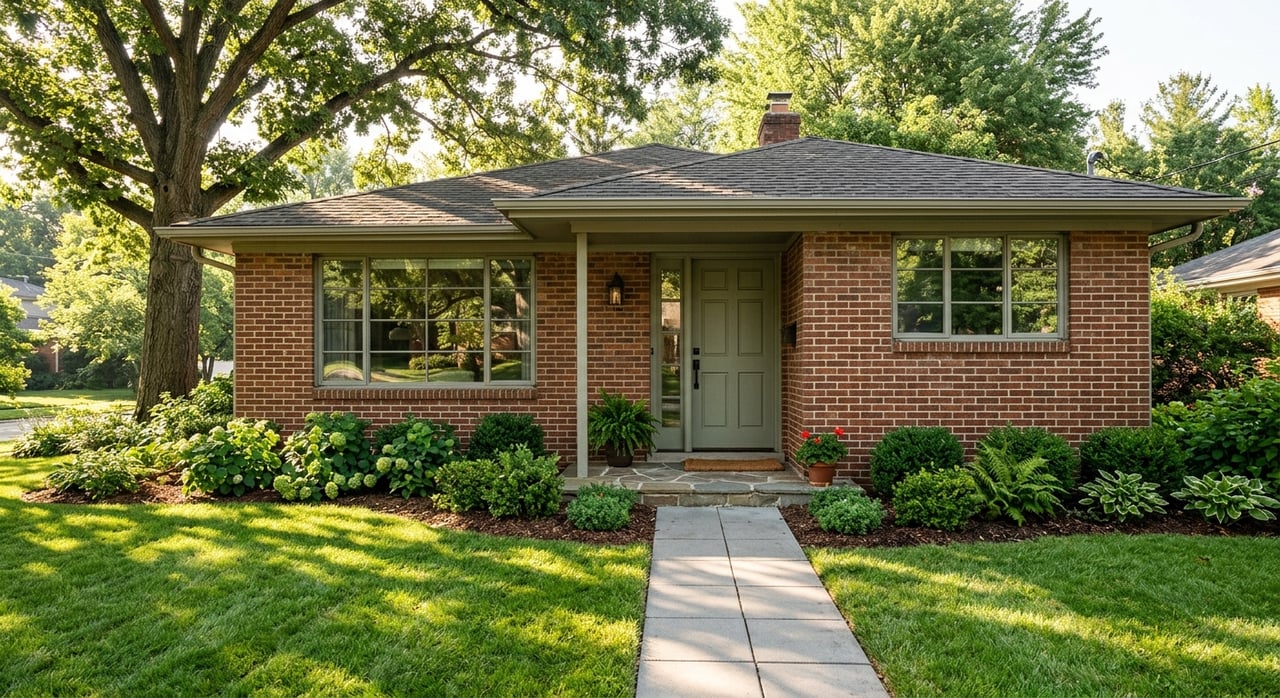
If you are thinking about buying or selling a historic home in Old Midland, you already know this is not a cookie-cutter market. Older homes in Midland's central city can offer real character, varied architecture, and lot layouts that work differently from newer subdivisions. If you understand what to look for and how to position the property, you can make smarter decisions and avoid expensive surprises. Let’s dive in.
What makes Old Midland unique
Old Midland is best understood as part of Midland’s historic central-city area, not as one uniform neighborhood filled with one home style. The City of Midland describes the Central City Area as the heart of historic Midland and notes that it includes older neighborhoods that have seen both decline and later infill and redevelopment.
That matters because when you shop or sell here, you are not comparing one predictable tract of similar homes. You are often comparing properties with different eras, lot sizes, layouts, and update levels, all within the same general area.
Old Midland homes vary by era
One of the biggest misconceptions about historic homes is that they all look alike. In Old Midland, the better story is variety.
The Brown-Dorsey House was built in 1899 and is described by Texas A&M's Texas Real Estate Research Center as Midland’s oldest extant residential structure and the only known remaining Victorian residential architecture in the city. The same source also highlights the 1908 W. F. Scarborough Home and the 1939 George W. Bush Childhood Home, showing how buyers may encounter Victorian, early ranch, and transition-era traditional homes in the same broader area.
For you as a buyer or seller, that means age alone does not tell the whole story. Style, condition, lot utility, and documentation often matter more than the year built by itself.
Historic character means specific details
When people say a home has historic charm, the most useful question is: what does that actually mean? In practice, it often comes down to details you can see and feel.
The Brown-Dorsey House offers a clear example, with features such as a multi-gabled roof, wood trim, 11-foot ceilings, pine floors, decorative oak moldings, carved oak and tile fireplace mantels, and brass hardware. It was also built with tighter stairwells and hallways that reflect the way homes of that era were designed.
That is important in both buying and selling. Buyers should know that charm can come with compact circulation, older floor plans, and nonstandard spaces. Sellers should describe period features specifically instead of relying on broad phrases that do not say much.
Lot layouts may work differently
Historic homes in Old Midland can also sit on lots that function differently from newer suburban properties. In some areas, rear access and alley use are part of everyday property function.
The city’s access management policy says alleys provide local property access, service access, trash collection, and utilities. The city’s service rules also support the practical reality that where alleys are available, residents often use rear containers and place bulky items behind the home for pickup.
If you are buying, pay attention to how parking, trash service, utility access, and backyard use actually work. If you are selling, explain those logistics clearly so a buyer understands how the property functions day to day.
Some historic properties are much larger
Not every historic property in Old Midland is a small home on a small lot. Some sites are far larger and more complex than buyers expect.
The Scarborough-Linebery property is a useful example. It is described as a ranch-style landmark on more than 2.5 acres with five buildings and more than 10,000 square feet of structures.
That kind of range is why pricing and marketing historic homes requires nuance. A property’s value may depend as much on site utility and compound-style layout as on the home’s age or architectural story.
Buyers should inspect systems first
If you are buying an older home, start with the systems that can affect safety, comfort, and budget. Cosmetic updates matter, but they should not distract you from expensive core items.
The City of Midland’s housing programs page identifies major plumbing, electrical, heating and AC, and roofing repairs as key rehabilitation categories. The same page also notes that homes unsuited for rehabilitation are not eligible for assistance, which is a good reminder that deferred maintenance can quickly change the economics of a purchase.
A smart buying plan usually includes:
- Reviewing the age and condition of plumbing
- Checking electrical capacity and prior updates
- Evaluating heating and AC performance
- Looking closely at roof age and repair history
- Asking for records of any major work completed
In a historic home, your best purchase decisions usually come from understanding the systems first and the finishes second.
Renovation plans need permit awareness
If you plan to renovate after closing, budget for more than just labor and materials. You also need to understand local contractor and permit requirements.
According to the City of Midland’s general contractor requirements, contractors must be registered with the city, and a $10,000 bond must be provided before permits are issued. For you, that means renovation timelines and budgets should include compliance steps, not just construction costs.
This is especially important if a property needs multiple updates at once. A home that looks like a good value on day one can become much more expensive if the work list is long and loosely defined.
Historic designation is property-specific
One important point: an older home is not automatically a designated historic property. If a home has a formal designation, that can affect renovation choices and tax questions.
The Texas Comptroller explains that local taxing units may exempt part or all of the assessed value of a designated historic or archeological site, and it also outlines a rehabilitation tax credit for certified historic structures. But eligibility depends on the specific designation and tax context.
Before you assume a property qualifies for benefits or restrictions, verify the actual designation status. If one exists, it is best to name it accurately rather than labeling every older house as historic in a formal sense.
Valuation depends on more than age
Historic homes can be harder to value because they do not always fit neatly into a standard comparable-sales approach. Two homes with similar square footage may perform very differently based on lot utility, updates, finish quality, and architectural integrity.
The Midland Central Appraisal District says its residential valuation model uses a hybrid cost-sales comparison approach and applies land and improvement adjustments to appraise property at market value. The Texas Comptroller also notes that taxable property is appraised at market value as of Jan. 1, and a qualified residence homestead is generally capped at a 10 percent annual increase in appraised value.
For you as a buyer, this means tax value and market value are not always the same thing. For you as a seller, it means your improvement history and documentation can support a clearer pricing story.
Buyers and sellers should know tax options
Property taxes are not always fixed in stone. Midland homeowners have tools and information available if they need to review a value or exemption issue.
The MCAD FAQ page explains that owners can protest overvaluation or exemption denials to the appraisal review board, and MCAD also provides property value information through its property search system. That can be useful if you are buying and want a better sense of a property’s current tax profile or if you are selling and want your records organized before going to market.
If you are a qualified first-time buyer, the city also offers up to $15,000 in homebuyer assistance through its housing programs, subject to program rules. The city also administers CDBG support for housing rehabilitation and preservation, homebuyer assistance, code enforcement, and neighborhood revitalization.
Sellers need a precise pricing strategy
Historic homes are not easy to price by instinct. In a market where buyers have options, condition and credibility matter.
The research for ZIP code 79701 points to a buyer-friendly environment, with one source reporting a median home price of $280,000 and a median of 58 days on market for January 2026. While different sources use different geographies and metrics, the overall takeaway is consistent: pricing needs to match the property’s condition, documentation, and buyer appeal.
That is especially true in Old Midland. A historic home often wins or loses attention based on how well you explain its era, upgrades, layout, and lot function.
Market period features honestly
The best historic-home marketing is clear, factual, and specific. It does not oversell. It gives buyers enough detail to understand the property’s value.
That could mean highlighting preserved Victorian details, a ranch-style layout on a larger site, or a traditional home with transition-era character. It should also mean being precise about meaningful updates, especially plumbing, electrical, HVAC, and roofing, rather than using broad claims like "fully updated" without support.
A strong seller message in Old Midland is simple: the property’s original character has been preserved, key systems have been updated and documented where applicable, and the lot still works for modern living. That is a more credible story than promising perfection in a house built for a different era.
A practical path for buyers and sellers
If you are buying in Old Midland, focus on how the house lives today. Study system condition, ask about permits and contractor work, understand alley or rear-access logistics, and verify whether any historic designation applies.
If you are selling, build your strategy around documentation and positioning. Price against current local conditions, organize records for major improvements, and tell the home’s story with real architectural and functional details.
Historic homes can be rewarding to buy and powerful to market, but only when the strategy matches the asset. If you want a direct, well-organized plan for buying or selling in Old Midland, connect with Taylor Dickerson.
FAQs
What makes Old Midland historic homes different from newer Midland homes?
- Old Midland homes are part of Midland’s older central-city area, where buyers may see a mix of architectural styles, older lot layouts, rear alley access, and a wider range of renovation conditions than in newer subdivisions.
What should buyers inspect first in an Old Midland historic home?
- Buyers should pay close attention to plumbing, electrical, heating and AC, and roofing because these are the major repair categories the City of Midland highlights in its housing rehabilitation guidance.
Do all older homes in Old Midland have historic designation?
- No. An older home is not automatically a formally designated historic property, so you should verify whether a specific designation exists before assuming there are tax benefits or renovation restrictions.
How are historic homes in Midland valued?
- Midland Central Appraisal District uses a hybrid cost-sales comparison approach with land and improvement adjustments, so value can depend heavily on condition, finish quality, lot utility, and comparable sales rather than age alone.
Are there homebuyer or rehabilitation programs in Midland?
- Yes. Midland offers up to $15,000 in homebuyer assistance for qualified low-income first-time homebuyers, and the city also administers CDBG-supported programs for housing rehabilitation, preservation, and neighborhood revitalization.
What should sellers highlight when listing a historic home in Old Midland?
- Sellers should focus on specific architectural details, documented updates to major systems, lot function, and any verified historic designation rather than relying on vague phrases like "historic charm" or "fully updated."