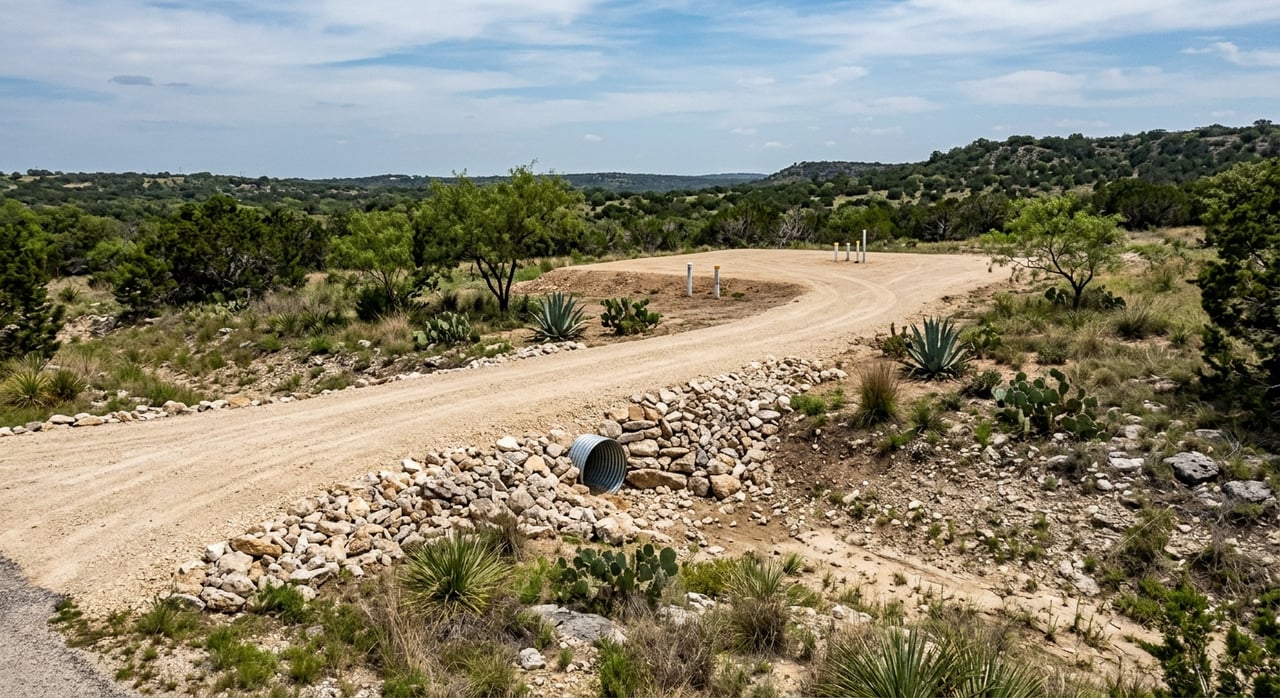
Buying land around Gardendale can look simple at first glance. A tract may seem wide open and full of potential, but the real value is often hidden in the details. If you want to avoid expensive surprises, you need to understand access, utilities, drainage, and how the land fits your intended use before you buy. Let’s dive in.
Why Gardendale Land Requires Extra Diligence
Gardendale is in unincorporated Ector County, and the area is known for horse ranches, oil production, and pecan orchards. That means land purchases here often work differently than buying a home in a more typical subdivision.
Instead of focusing on neighborhood-style amenities, you need to focus on tract-level questions. In Gardendale, the big issues are usually legal access, road maintenance, water, septic, drainage, and whether the land truly supports your long-term plan.
Start With Access and Legal Status
One of the first things to confirm is how you legally reach the property. A tract may appear easy to access on a map, but if that access depends on a private road or an unimproved approach, you need to know who is responsible for maintaining it.
Ector County Public Works states that the county does not maintain roads that are not part of the county road system. FM roads and state highways are maintained by TxDOT, while private roads are not maintained by the county. That can affect your cost, your timeline, and even your ability to improve the property.
Just as important, Ector County does not enforce development zones in unincorporated areas, but that does not mean there are no requirements. The county still requires a Development Structure permit and a Drive Approach permit for dwellings or businesses, and on-site sewage systems require a septic permit.
Before you move forward, check these basics:
- Whether the tract has legal recorded access
- Whether the road is county-maintained, state-maintained, or private
- Whether driveway or approach improvements will be needed
- Whether an address has already been issued outside city limits
- Whether easements or rights-of-way affect how you can use the land
Read the Plat and Easements Carefully
In land deals, what you see on the ground is not always the same as what the records allow. Ector County subdivision rules place real importance on easements and rights-of-way, especially when drainage is involved.
For example, objects cannot be placed in drainage easements unless approved, and private dedicated property remains the owner’s responsibility unless it is formally accepted. In plain terms, you should never assume a tract is fully usable just because it looks open and clear.
If you are planning a homesite, horse setup, investment hold, or future commercial use, the plat and recorded easement language matter. This is one of the places where careful review can protect both your budget and your future plans.
Verify Water Options Early
Water is one of the most important questions you can answer before closing. In the Gardendale area, Greater Gardendale Water Supply Corporation is a key local provider and serves residences and businesses within about 20 square miles across Ector and Midland counties.
That said, service availability is not something to assume. The utility states that new service and transfers are residential only, and commercial accounts are currently not available.
That detail matters more than many buyers realize. If you are considering anything beyond a residential use, such as a warehouse, retail use, or another commercial plan, you need to verify water feasibility before you commit to the tract.
The local history also reinforces this point. The Texas Historical Commission notes that drought concerns helped drive the formation of Greater Gardendale Water Supply Corporation in 2000, which is a reminder that water availability has been a long-term local issue.
Understand Septic and Site Requirements
If the property is not connected to city sewer, Ector County Health Department says the home must have a legally permitted septic system. This is not a box to check later. It should be part of your early due diligence.
The county’s buyer guidance is practical and clear. You should make sure the lot is large enough, check soil conditions, and have a site evaluation performed. The county gives a general rule of thumb of at least 1 acre with a water well or 1/2 acre with city water.
County development rules also note that OSSF approval is tied to a site evaluation. They also make clear that meeting water-availability requirements on paper does not guarantee an adequate real-world water solution for the property.
Septic Questions to Ask Before You Buy
- Is the lot large enough for the planned use?
- Will the tract rely on city water or a well?
- Has a site evaluation been completed?
- Do the soil conditions support a septic system?
- Are there any limitations that could affect building placement?
Check Drainage, Slope, and Flood Exposure
A tract can look flat and dry most days, but that does not tell you where water will go during a storm. Around Gardendale, drainage deserves close attention because county subdivision rules require drainage impacts to be minimized and restrict use of drainage easements in ways that interfere with their purpose.
That means you should look beyond appearance. A usable tract is not just about level ground. It is also about whether water sheds cleanly, whether low spots create problems, and whether future improvements will be limited by drainage features.
Flood exposure matters too. Ector County plat notes state that property within a designated 100-year flood hazard zone requires a floodplain development permit and compliance with county floodplain rules.
A smart first step is to check the official flood map source before making an offer. Then, pair that with on-the-ground review so you can better understand how the tract may perform during heavy rain.
Use Soil Information to Spot Red Flags
Soil conditions can affect far more than landscaping. They can influence septic planning, access improvements, and the cost of preparing a building pad.
The NRCS identifies Web Soil Survey as the authoritative source for soil survey information. Used alongside the county’s recommendation to check soil conditions and get a site evaluation, it can help you understand whether a tract may be straightforward or more challenging to develop.
This does not replace site-specific professionals, but it can help you ask better questions earlier. On land purchases, better questions often lead to better decisions.
Match the Land to Your Intended Use
One of the biggest mistakes buyers make is shopping by price per acre before defining the actual use. In unincorporated Ector County, future use is shaped less by a zoning map and more by permits, access, utilities, floodplain status, and recorded restrictions.
That makes your intended use the center of the analysis. A tract that works well for a homesite may not work as well for horse property, long-term land banking, or a commercial plan.
Before you buy, get specific about what you want the property to do for you:
- Build a primary residence
- Create a horse-property setup
- Hold land as a long-term investment
- Position the tract for future commercial use
When your goal is clear, it becomes much easier to judge whether the land supports it.
Do Not Overlook Holding Costs
Raw land can seem affordable when you look only at the purchase price. But annual taxes, access improvements, utility planning, and site work can change the picture quickly.
Ector County Appraisal District’s property tax database is the local source to verify which taxing entities apply to a parcel and what the annual tax burden may look like. That step can help you compare the true cost of ownership, not just the list price.
This is especially important if you plan to hold the property before building. A tract that seems like a bargain today may carry ongoing costs that affect your long-term return.
A Smart Pre-Offer Sequence for Gardendale Land
In my experience, land value is created or lost in the details. Around Gardendale, the strongest pre-offer process follows the way the county and local utility systems actually work.
Use this sequence before you make an offer:
- Confirm legal and practical access
- Verify water availability and service type
- Confirm septic feasibility and site requirements
- Review drainage and flood exposure
- Check easements and rights-of-way
- Match the tract to your intended use
- Verify annual property taxes and likely holding costs
This approach helps you avoid buying on assumption. It also gives you a more accurate picture of whether the tract is a good fit for your goals.
Final Thoughts on Buying Land Around Gardendale
Buying land in Gardendale can be a strong move if you approach it with a clear strategy. The right tract can offer space, flexibility, and long-term value, but only if access, utilities, drainage, and use all line up.
That is why diligence matters so much here. When you slow down, verify the details, and evaluate the economics behind the asset, you put yourself in a much stronger position to buy with confidence.
If you are considering land around Gardendale and want a practical, detail-focused strategy, Taylor Dickerson can help you evaluate the tract, spot issues early, and move forward with clarity.
FAQs
What should you check first when buying land around Gardendale?
- Start with legal access, road maintenance responsibility, and whether the tract has the permits or approach requirements needed for your planned use.
Does no zoning in unincorporated Ector County mean you can do anything with the land?
- No. Ector County does not enforce development zones in unincorporated areas, but it still requires certain permits such as Development Structure permits, Drive Approach permits, and septic permits where applicable.
How do you verify water service for land in Gardendale?
- Check whether the parcel falls within the Greater Gardendale Water Supply Corporation service area and confirm whether the planned use qualifies for available service.
What septic issues matter when buying raw land in Ector County?
- You should confirm lot size, soil conditions, and whether a site evaluation supports a legally permitted on-site sewage system.
Why does flood and drainage review matter for Gardendale land?
- Drainage easements and flood hazard zones can limit how you improve or use the property, and some tracts may require additional permits if they fall within a designated flood hazard area.
How can property taxes affect a land purchase around Gardendale?
- Even if the price per acre looks attractive, annual taxes and infrastructure-related costs can change the true cost of owning and holding the tract.